

Precision Pavé for Leading Luxury Houses
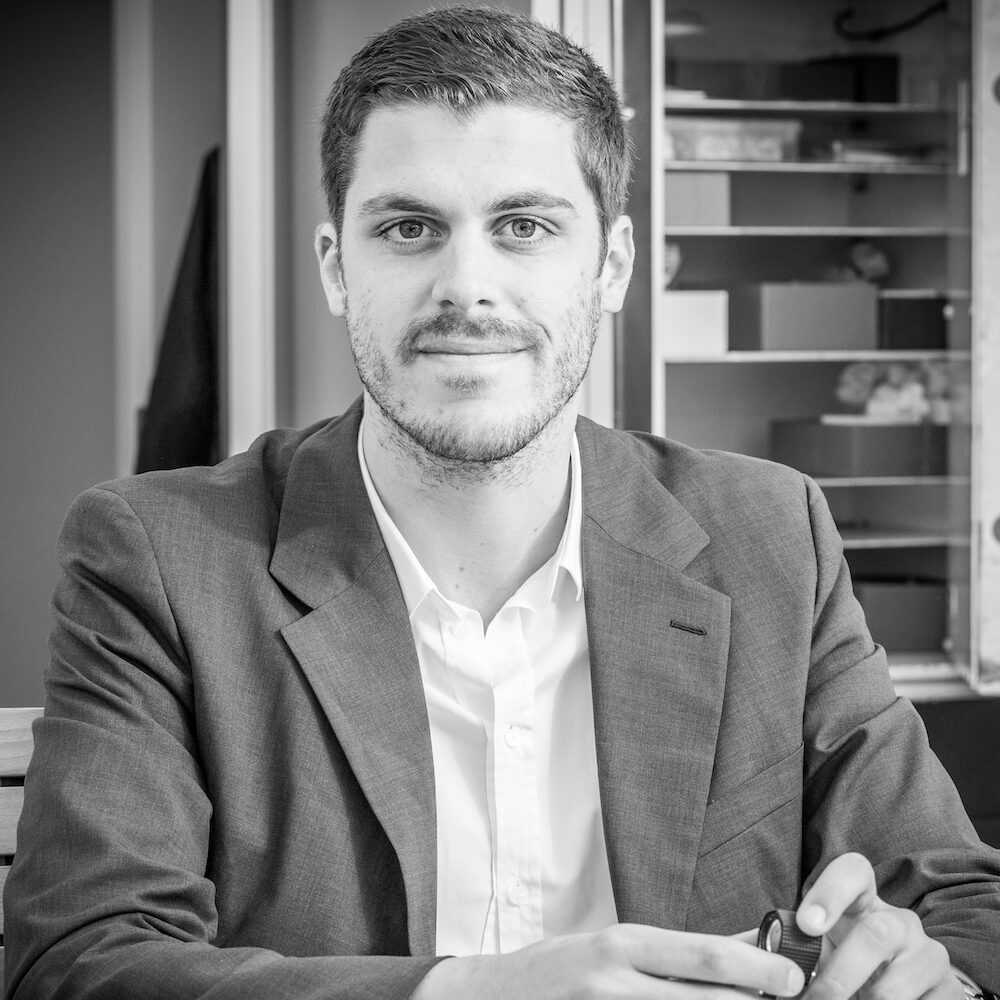
Meeting with Yacha Taché, a member of the third generation at the head of the family-owned Taché Group and today responsible for the Melee Department. Here, he presents the different stages of production, from the mine to jewellery collections, as well as the various quality standards and other measures put in place to meet the increasingly exacting demands of jewellery houses and watch brands.
Gold’Or: How is your department structured?
Yacha Taché: Our department covers the entire range of small non-certified goods, meaning stones ranging from 0.001 carat to 0.50 carat, commonly referred to as paving stones or melee diamonds. We therefore serve both the jewellery sector and the watch industry.
Who are your clients?
We originally operated as a traditional diamond trader. A strategic turning point came in the 1980s, when we became a De Beers sightholder. That marked the beginning of our vertical integration, from the purchase of rough diamonds to their distribution, including manufacturing and quality control. Around fifteen years ago, we decided to direct a significant part of our activity toward major jewellery houses.
How do you guarantee the origin of your melee stones?
Until 2022, we sourced mainly from two suppliers: De Beers, of which we are a sightholder, with mines in Canada, Botswana, Namibia and South Africa, and the Russian company Alrosa, from which we have no longer purchased since early 2022. By buying our rough diamonds directly at the source and cutting them exclusively in our own workshops in Botswana, Armenia and Surat, India, we control the entire production chain.
This allows us to guarantee the origin and traceability of every stone for our clients.
How is the quality control of polished stones carried out?
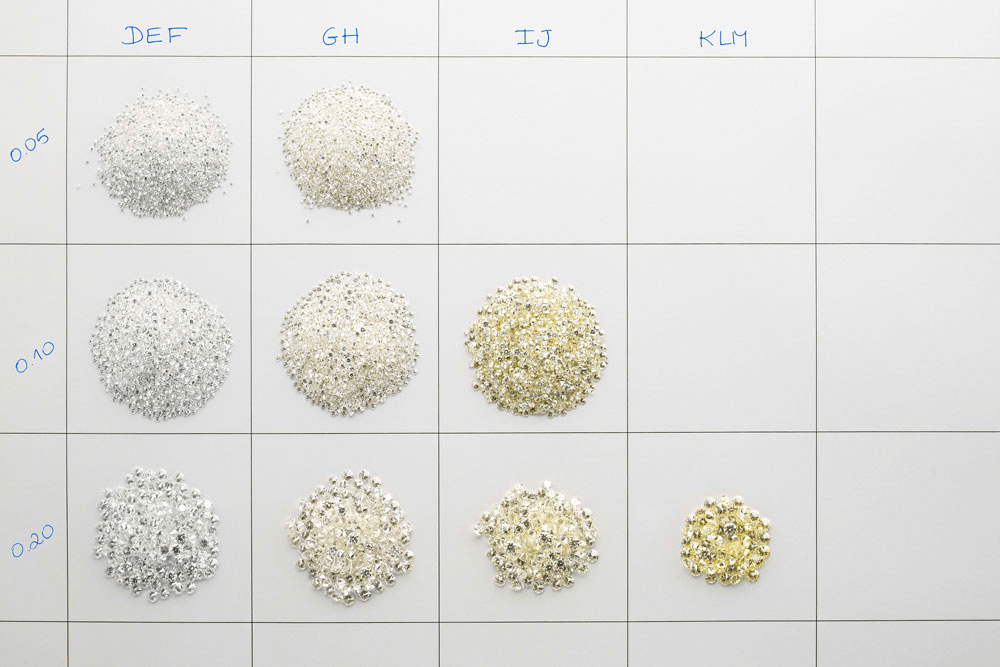
Once cut, the stones are sent back to Antwerp. There, they are sorted according to precise criteria: colour, clarity, cut quality and fluorescence, all based on the specific standards of each of our clients. The major jewellery houses we work with expect very high-quality goods: colour G or above, clarity SI or above, and cut quality rated Very Good or higher.
And how do you guarantee that the diamonds are natural?
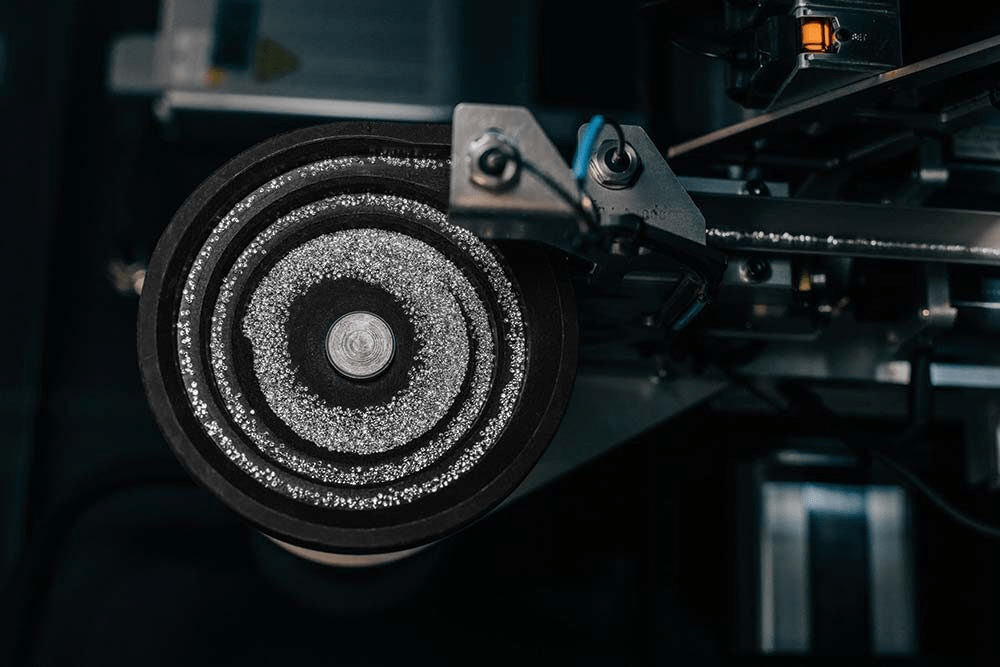
We carry out an initial natural-origin check on the rough goods as soon as they are sourced. Once the stones are cut, and before any shipment, they are tested again one by one in our own laboratory. This double control allows us to guarantee that all diamonds are natural and free from any anomaly, including synthetic stones. Each approved lot is then sealed and prepared for dispatch.
Is it more complex to control small stones?
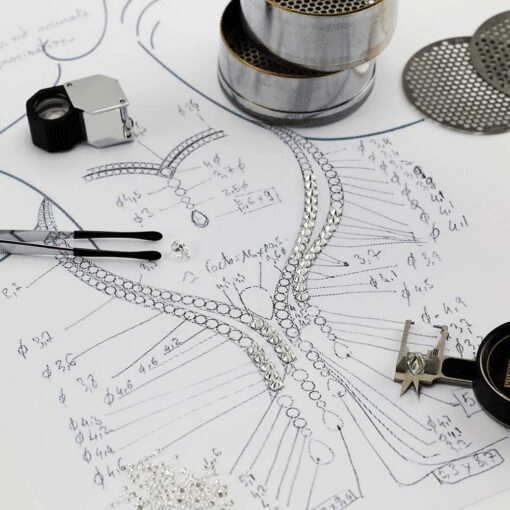
The process is indeed more demanding, as testing 200 small stones takes much more time than testing ten larger ones. Nevertheless, we maintain this level of rigor to meet our clients’ expectations in terms of origin, traceability and natural authenticity. We have therefore developed in-house solutions that ensure maximum precision throughout all our control processes.
What is your involvement in the watch sector?
For several years, we have also focused our efforts on high-end watch brands. We opened an office in Geneva dedicated to this sector three years ago. Today, watchmaking accounts for around ten percent of our total volume of melee diamonds, and we aim to further strengthen our presence in this field. Our expertise enables us to meet the high standards of this sector, which are similar to those of high jewellery.
What impact have synthetic diamonds had on your business?
There is indeed interest from end clients in synthetic diamonds in certain markets such as the United States. That said, the overproduction of these stones and their sharp loss in value quickly pushed this type of product toward the entry-level jewellery segment.
Although natural diamond prices have been affected, we are now seeing a return of clients to natural diamonds, particularly due to increased awareness of sustainability and the values associated with natural origin.
What services do you offer in stone setting?
We opened a workshop in Paris entirely dedicated to high jewellery, offering a complete range of services for major houses, from diamond recutting and setting to the manufacturing and polishing of jewellery pieces. This workshop brings together around twenty highly skilled artisans capable of meeting the most demanding precision requests.
How important are trade fairs for your business?
We were present in Hong Kong in March, and the fair proved very satisfactory despite initially modest expectations. In May, GemGenève is a major event for us: we have taken part in it since its very first edition in 2018. In June, we will be at JCK Las Vegas, and in September, at the Hong Kong edition.
We also visit regional trade fairs such as those in Doha, Bahrain and Riyadh, where we meet local jewellers producing exceptional pieces.
By Marcel Weder for Gold’Or magazine.